 Blog
Blog
Waste Container Rental in Missouri: Smarter Debris Solutions for…
How to Choose the Right Waste Container Rental for Your Project
Picking the right roll-off for your job is the difference between a smooth cleanup and repeat hauls, overage fees, and delays. Start by matching container size to scope. A 10-yard dumpster is compact and ideal for small home cleanouts, apartment turnovers, or modest bath remodels. Stepping up to a 15-yard or 20-yard gives you breathing room for kitchen renovations, deck removals, or roof tear-offs on mid-sized homes. Larger commercial renovations, multi-room remodels, and bulky furniture purges often fit best in a 30-yard. For major construction or demolition, a 40-yard unit handles high volumes of mixed debris efficiently.
Just as important as volume is the type of material you’re loading. Heavy debris—such as shingles, tile, brick, dirt, and concrete—demands a sturdy container and careful attention to tonnage limits. Many projects benefit from a dedicated concrete-only or clean dirt load to maximize weight allowances and minimize contamination fees. Light debris, like drywall, lumber, and household junk, fills space quickly but weighs less, making taller containers practical. When in doubt, ask for guidance; trusted local providers in Missouri can recommend a container that aligns with your mix of materials and job timeline.
Space planning matters, too. Measure driveways, alleys, and jobsite entrances to ensure trucks can deliver and retrieve safely. Leave overhead clearance for tree limbs and power lines. If you’re in a neighborhood with tight access, a 10- or 15-yard container may be the right fit even for a larger project, with one or two scheduled swap-outs as work progresses. Contractors often prefer staged hauls on long jobs to keep sites clear and OSHA-friendly, while homeowners typically favor a single, right-sized container to simplify cleanup day.
Local service in Missouri—from Kansas City and St. Louis to Springfield, Columbia, and Jefferson City—means faster turnaround, on-time placement, and advice rooted in city ordinances. Providers like Heartland Recycling Services offer multiple sizes, quick delivery, and advice tailored to residential, commercial, and construction needs. When you coordinate scope, debris, and space up front, waste container rental becomes an efficient, cost-effective part of your project rather than an afterthought.
Pricing, Permits, and Placement: Keeping Your Roll-Off Compliant and On Budget
Transparent pricing begins with understanding what’s included: a base rental period, a weight allowance, delivery and pickup, plus any disposal fees. Exceeding the tonnage cap typically triggers per-ton overage charges, so estimating debris weight is critical. Roofing shingles, tile, and concrete add pounds fast. Minimizing mixed loads—keeping clean concrete separate, for example—can dramatically reduce costs. It’s also wise to ask about potential fees for restricted items like tires, appliances with refrigerants, batteries, paints, or electronics. Keeping prohibited items out of the container protects both your budget and the environment.
Placement fundamentally affects both convenience and legality. Setting a container on private property, like a driveway or jobsite pad, is generally the simplest route. When using streets, alleys, or the public right-of-way, many Missouri cities require a permit. St. Louis often has specific right-of-way rules and may require traffic control considerations on narrow blocks. Kansas City may impose time limits or specify allowable zones to maintain access for emergency vehicles and public works. Columbia, Springfield, and Jefferson City can have their own unique permit processes, lead times, and placement restrictions. A reputable local partner will help you navigate which forms are needed and how far in advance to apply, preventing violations and fines.
Proper preparation protects both the container and your property. Use plywood or boards under the dumpster’s rollers to reduce the risk of surface scuffs on concrete or asphalt, especially during warm months when pavement softens. Confirm that the surface is level and clear of obstructions to improve loading safety. Think about walkways and garage access; leaving enough space for daily life keeps homeowners and crews productive. Clear signage, cones, or barricades can help in high-traffic areas. If noise is a concern, coordinate drop-off and pickup windows that respect neighborhood quiet hours to avoid complaints.
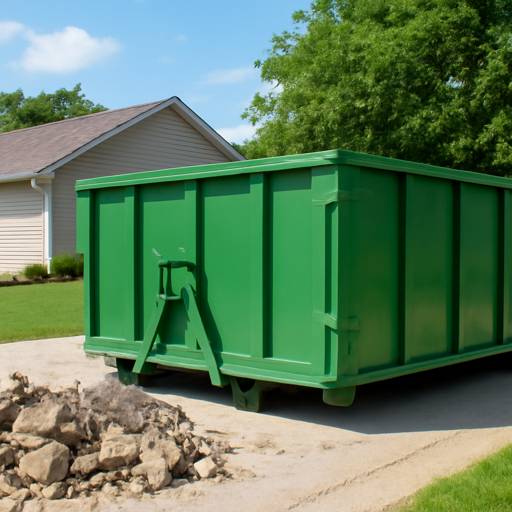
Timing ties everything together. Scheduling delivery a day before heavy demo starts ensures crews aren’t waiting on disposal. Booking a pickup or swap the moment a container reaches the fill line prevents overflow and keeps projects moving. In peak seasons—storm recovery, summer remodels, pre-winter roof work—availability tightens across Missouri. Early reservations lock in the size you need, while bundled pricing for multiple swaps can yield savings. With clear communication and a focus on compliance, your waste container rental stays efficient, lawful, and predictable from the first load to the final haul.
Real-World Scenarios Across Missouri: What to Expect from Delivery to Final Haul
Home cleanout in Springfield: A family preparing to downsize booked a 10-yard container for a weekend. They cleared out a basement, shed, and attic, focusing on furniture, boxes, and light construction scraps from a previous DIY project. By planning categories—donate, recycle, toss—they kept restricted items out and avoided contamination fees. The crew filled to the marked line, left room to close the door, and scheduled pickup Sunday evening. The small footprint fit their driveway, preventing any need for a street permit, and the entire job wrapped in 48 hours.
Roof tear-off in Kansas City: A contractor tackling a 28-square asphalt shingle replacement opted for a 20-yard container based on expected weight and debris density. They placed the roll-off near the eave for efficient toss-in, protected the driveway with plywood, and staged tarps to control stray nails. Midday, the foreman requested a swap, aligning with crew breaks to maintain productivity. Because the load was shingles only—no household trash or pallets—disposal stayed within the anticipated weight cap, keeping the budget on track. Coordinating two precise hauls meant zero downtime.
Storm cleanup in Columbia: After a wind event, a neighborhood association organized yard waste removal. A 30-yard container stationed at the cul-de-sac collected branches, brush, and damaged fencing. The provider clarified local yard waste rules and recommended trimming long limbs to optimize space. Volunteers stacked debris evenly to prevent shifting in transit, and a quick midweek pickup freed the street for utility trucks. With clear guidance on acceptable items, the cleanup steered clear of contamination fees and kept traffic flowing safely.
Commercial demo in St. Louis: An interior strip-out of a mid-sized retail unit called for a 40-yard container to consolidate drywall, framing lumber, and fixtures. The GC coordinated a right-of-way permit for partial curb placement, submitted traffic control plans, and scheduled early-morning drops to avoid rush-hour conflicts. To maintain workflow, the team used a two-container rotation: one on the ground, one en route to the transfer station. This leapfrogging approach eliminated pileups inside the space, shortened the project timeline, and supported a cleaner, safer site.
Concrete-only loads and recycling: Missouri jobs involving patios, driveways, or slab cuts benefit from clean concrete loads in 10- or 20-yard containers to control weight. Keeping rebar minimal and separating soil can further reduce costs. Many transfer stations offer lower tipping fees for source-separated materials, which encourages recycling and diverts waste from landfills. Asking for a “clean load” plan upfront improves your chance of cost savings and sustainability gains—a win for both the budget and the community.
Loading best practices and safety: Distribute weight evenly, avoid voids, and keep debris below the top rail. Heavier items should go first, with lighter materials on top to prevent shifting. Close and latch doors before pickup, and never overfill—drivers must tarp the load to travel legally. Maintain clear access to the container on pickup day to prevent rescheduling fees. When projects evolve, communicate changes early; a quick call can secure a larger size, add a swap, or adjust the rental window without derailing the timeline.
Local expertise adds certainty. Missouri providers understand seasonal demand, city permit nuances, HOA guidelines, and the practical realities of driveways, alleys, and urban job sites. Companies like Heartland Recycling Services emphasize fast delivery, clear rules on restricted items, and right-sized containers ranging from compact 10-yard units to high-capacity 40-yard solutions. For statewide availability and city-specific guidance across St. Louis, Kansas City, Springfield, Columbia, and Jefferson City, explore waste container rental to align size, scheduling, and compliance with your project’s goals.